Official UK Government Partner

School of Coding & AI

Categories
Blog

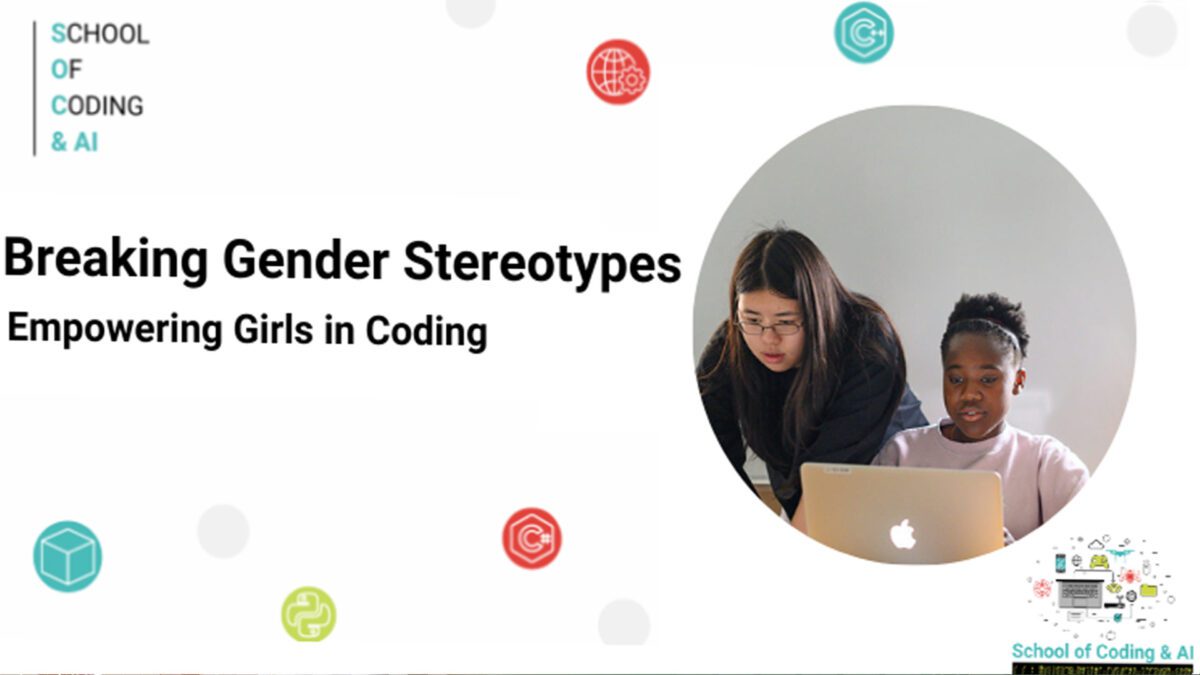
Breaking Gender Stereotypes: Empowering Girls In Coding

Breaking Gender Stereotypes: Empowering Girls In Coding

In recent years, a concerted effort has emerged to dismantle gender stereotypes and champion inclusivity across various fields. One of the most impactful areas witnessing this transformation is coding and technology. Traditionally dominated by men, the tech sector is increasingly welcoming girls, who are now making significant strides in this dynamic field. This article explores the critical need to break down gender stereotypes and highlights the expanding role of girls in coding.

The Need for Inclusivity

The tech industry has long been a bastion of male dominance, fostering an environment where gender stereotypes can flourish. This historical imbalance has led to the misconception that coding and programming are inherently male domains. It is crucial to recognize that technical skills are not gender-specific. Addressing these stereotypes is essential to cultivating a diverse and inclusive tech community. By dismantling these outdated notions, we can create an environment where talent and capability are recognized regardless of gender, paving the way for more girls in coding.

Empowering Girls In CodingThrough Education

A vital strategy for encouraging girls to pursue coding is ensuring they have equal access to education. There is an increasing acknowledgment of the need to introduce coding skills early, providing girls with the tools to succeed from a young age. Educational initiatives such as coding camps, workshops, and extracurricular activities are instrumental in bridging the gender gap in tech education. These programs not only impart essential technical skills but also help build confidence and spark an enduring interest in technology among girls. Empowering girls through education is a key step in increasing their representation in coding fields.

Promoting Positive Role Models

Representation plays a pivotal role in inspiring young minds. Showcasing successful female coders as role models is a powerful way to motivate girls to enter the tech field. Highlighting the accomplishments of women in technology helps to challenge and change the stereotypes about who can excel in this domain. Platforms that share stories, interviews, and profiles of accomplished female coders contribute to a more inclusive narrative and offer tangible examples of success that can inspire and guide girls in coding.

Supportive Communities

For girls entering the coding field, a supportive community is essential. Networking events, mentorship programs, and online forums provide valuable spaces for girls to connect with peers, share experiences, and seek guidance. These supportive networks foster confidence and help girls navigate the challenges of a traditionally male-dominated industry. By creating and nurturing these communities, we ensure that girls have access to the encouragement and resources needed to excel in tech. Building strong support systems is crucial for the growth and success of girls in coding.

Addressing Stereotypes Head-On

Confronting and challenging gender stereotypes is a necessary step in fostering inclusivity. Encouraging girls to pursue their interests in coding, despite societal expectations, can help shift perceptions about gender roles in technology. Teachers, parents, and mentors play a critical role in fostering an environment where girls feel empowered to explore coding without fear of judgment. By actively addressing and dismantling these stereotypes, we can promote a more inclusive and accepting attitude toward girls in coding.

The Benefits of Diversity in Tech

Diversity within the tech industry brings a broad range of perspectives, ideas, and approaches to problem-solving. Breaking down gender stereotypes and encouraging more girls to enter coding enhances the industry’s creativity and innovation. Companies with diverse teams are more likely to develop products and solutions that cater to a wider array of needs and preferences. Embracing diversity not only benefits the industry by leading to more comprehensive and user-focused advancements but also contributes to a more inclusive and dynamic workforce. The increasing involvement of girls in coding is a testament to the positive impact of diversity on the tech industry.

Breaking Barriers and Overcoming Challenges

Despite the progress made, girls in coding often face specific challenges and barriers. These can include limited access to resources, gender bias, and a lack of representation in tech roles. Addressing these barriers requires a concerted effort from educational institutions, industry leaders, and communities. Initiatives aimed at providing scholarships, mentorship, and targeted support can help girls in coding overcome these challenges and thrive in the tech industry. By actively working to dismantle these barriers, we can ensure that all aspiring female coders have the opportunity to succeed.

Encouraging Lifelong Learning and Growth

The journey into coding does not end with formal education. Lifelong learning and continuous growth are essential in the ever-evolving tech landscape. Encouraging girls to embrace a mindset of ongoing learning and exploration helps them stay current with technological advancements and continue to develop their skills. By fostering a culture of curiosity and resilience, we empower girls to navigate the complexities of the tech industry and achieve long-term success. Supporting lifelong learning is vital for the ongoing advancement of girls in coding.

Building a More Inclusive Future

Creating a more inclusive future in coding involves more than just encouraging girls to enter the field. It requires a commitment to ongoing support, mentorship, and advocacy. By investing in initiatives that promote gender diversity and inclusivity, we can help build a tech industry that reflects a broader range of experiences and perspectives. This commitment not only benefits the industry but also contributes to a more equitable and innovative society. The continued growth of girls in coding is an essential aspect of building this more inclusive future.

Conclusion

Breaking down gender stereotypes in coding is about more than achieving gender equality; it is about unlocking the full potential of the tech industry. Girls who engage in coding bring unique talents, perspectives, and skills that contribute to a more innovative and inclusive future. As society continues to challenge and overcome outdated gender roles, empowering girls in coding becomes an essential step toward creating a more equitable and prosperous world. By supporting and encouraging girls in technology, we pave the way for a more diverse, dynamic, and successful industry, benefiting everyone involved.

Categories
Blog

Essential Digital Skills: A Beginner’s Guide

In today’s fast-paced digital world, having basic digital skills is not just an option; it’s a must. Whether you’re new to the digital world or a professional wanting to stay relevant, mastering these skills is the key to success. This guide will help you understand the basics and thrive in the constantly changing digital world.

Understanding the Basics Digital Skills

1. Digital Literacy Made Simple

Digital literacy is the foundation of your digital journey. It’s more than just knowing how to use a computer—it’s about understanding the language of the digital world. We’ll help you with the basics of digital literacy, from using computer systems to understanding file formats, so you can interact easily with technology.

2. Surfing the Web: Search and More

Being good at online searches is crucial. Learn advanced search techniques, figure out trustworthy sources, and confidently explore the web. Discover hidden information that regular searches might miss and become a skilled digital explorer.

Understanding the Basics Digital Skills

1. Coding Basics for Beginners

Start your coding journey by learning the fundamentals. We’ll simplify coding, introducing you to the basics of programming languages like Python, Java, or HTML. Our guide ensures you understand the essentials, laying the foundation for your future coding adventures.

2. Digital Security: Protecting Your Online Presence

In the digital world, security is crucial. Learn how to protect your digital identity, sensitive information, and devices. Explore encryption, safe browsing habits, and top-notch antivirus solutions to secure your digital world.

Nurturing Creativity in the Digital World

1. Graphic Design Made Easy

Visual communication is powerful in the digital world. Learn the basics of graphic design, from understanding colors to using design software. Unleash your creativity and create visually appealing content that leaves a lasting impression online.In the digital world, security is crucial. Learn how to protect your digital identity, sensitive information, and devices. Explore encryption, safe browsing habits, and top-notch antivirus solutions to secure your digital world.

Adapting to the Changing Digital World

1. Social Media Basics

Social media is more than just a platform; it’s a dynamic ecosystem. Learn the secrets to building a strong social media presence, understanding algorithms, and creating content that connects with your audience. Navigate the ever-changing social media landscape with skill.

2. Embracing New Technologies

The digital skills world is always changing, with new technologies shaping the future. Stay ahead by exploring artificial intelligence, blockchain, and the Internet of Things. Understand how these technologies can be applied and their implications, positioning yourself at the forefront of digital innovation.

Conclusion: Your Digital Skills Adventure Starts Now

In conclusion, this guide gives you the essential digital skills needed to succeed in the digital skills age. From mastering digital literacy to advanced coding and emerging technologies, your digital adventure begins here. Equip yourself with these skills, and not only will you navigate the digital world effortlessly, but you’ll also set yourself up for success in an ever-evolving digital landscape. Start your journey today and unlock the countless opportunities that digital proficiency brings.

🚀 Ready to embark on your Digital Shropshire Journey?

🌐 Join us at the School of Coding and unlock the skills you need to thrive in the digital age!

🌟 Visit  Digital Shropshire for more information and start your digital adventure today! 💻🎓

#DigitalShropshire #LearnDigitalSkills #UnlockYourPotential

Categories
Blog

A Beginner’s Roadmap to Coding

Roadmap To Coding

Welcome to the School of Coding UK, where we transform curious minds into proficient coders! In an era dominated by technology, coding has become an invaluable skill that opens doors to endless opportunities. This article offers a beginner’s roadmap to coding, guiding you through the essential steps to kickstart your journey in the world of programming.

The Importance of Learning to Code

Coding is more than just a technical skill; it’s a way of thinking. It enhances problem-solving abilities, fosters creativity, and provides a deeper understanding of how technology shapes our world. By following a well-structured roadmap to coding, beginners can build a strong foundation and gradually advance to more complex concepts.

Getting Started with Coding

1. Choosing the Right Language

Starting with the right programming language is crucial. For beginners, languages like Python, JavaScript, and Scratch are ideal due to their simplicity and wide range of applications. Python is particularly popular for its readability and versatility, making it an excellent choice for your initial steps on the roadmap to coding.

2. Setting Up Your Environment

Before diving into coding, it’s essential to set up your development environment. This involves installing necessary software like code editors (e.g., Visual Studio Code) and interpreters or compilers for your chosen language. A well-configured environment streamlines your coding process and enhances productivity.

Mastering the Basics

1. Understanding Syntax and Semantics

Grasping the basic syntax and semantics of your chosen language is the first milestone. This includes learning about variables, data types, control structures (like loops and conditionals), and functions. These fundamentals are the building blocks of any programming language and are crucial for progressing on your roadmap to coding.

2. Writing Your First Program

Once you have a basic understanding, it’s time to write your first program. Start with simple tasks like printing “Hello, World!” to the console. Gradually, challenge yourself with more complex problems, such as creating a basic calculator or a simple game. Practical experience is key to solidifying your understanding and gaining confidence.

Developing Problem-Solving Skills

1. Algorithmic Thinking

Coding is about solving problems efficiently. Developing algorithmic thinking involves breaking down problems into smaller, manageable steps and creating logical sequences to solve them. Websites like HackerRank and LeetCode offer numerous problems that help enhance your problem-solving skills and keep you on track with your roadmap to coding.

2. Debugging and Troubleshooting

Debugging is an essential skill for any coder. Learning how to identify and fix errors in your code is crucial for efficient programming. Tools like integrated development environments (IDEs) and debugging tools can assist in this process, making it easier to spot and correct mistakes.

Expanding Your Knowledge

1. Exploring Advanced Topics

Once you’re comfortable with the basics, it’s time to explore more advanced topics. This includes object-oriented programming (OOP), data structures, and algorithms. Understanding these concepts is vital for tackling more complex projects and advancing further on your roadmap to coding.

2. Building Projects

Applying your knowledge to real-world projects is one of the best ways to learn. Start with small projects and gradually increase their complexity. Building projects not only enhances your skills but also helps you create a portfolio that showcases your abilities to potential employers or collaborators.

Leveraging Online Resources

1. Online Courses and Tutorials

The internet is a treasure trove of learning resources. Platforms like School of Coding, Coursera, edX, and Codecademy offer comprehensive courses that cover a wide range of programming topics. These courses provide structured learning paths and are a valuable addition to your roadmap to coding.

2. Joining Coding Communities

Engaging with coding communities can significantly enhance your learning experience. Websites like Stack Overflow, GitHub, and Reddit provide platforms for asking questions, sharing knowledge, and collaborating on projects. Being part of a community keeps you motivated and offers support throughout your coding journey.

Staying Motivated and Consistent

1. Setting Realistic Goals

Setting achievable goals is essential for maintaining motivation. Break down your learning objectives into smaller, manageable tasks and track your progress. Celebrate your milestones, no matter how small, to keep yourself motivated on your roadmap to coding.

2. Consistent Practice

Consistency is key to mastering coding. Dedicate regular time to practice and explore new concepts. The more you code, the more proficient you become. Remember, coding is a skill that improves with practice and perseverance.

Conclusion

Embarking on the journey of learning to code is both exciting and challenging. By following this beginner’s roadmap to coding, you can build a strong foundation, develop essential skills, and explore the vast world of programming. At the School of Coding UK, we encourage you to dive in, experiment, and enjoy the process of becoming a skilled coder. Happy coding!

Categories
Blog

School of Coding & AI Achieves Matrix Standard Accreditation

At the School of Coding UK, we are thrilled to announce that we have achieved the prestigious Matrix Standard Accreditation! This recognition underscores our commitment to providing high-quality education and support to our students, helping them excel in the dynamic fields of coding and artificial intelligence (AI).

The Significance of Matrix Standard Accreditation

The Matrix Standard Accreditation is a national quality standard for organisations that deliver information, advice, and guidance (IAG). Achieving this accreditation demonstrates our dedication to excellence in educational services, ensuring that our students receive the best possible support throughout their learning journey. This milestone is a testament to our ongoing efforts to enhance our programs and provide an exceptional learning experience.

What is the Matrix Standard?

The Matrix Standard is a robust framework used to assess and measure the effectiveness of organisations that offer IAG services. It focuses on four key elements:

1. Leadership and Management

Strong leadership and effective management are crucial for maintaining high standards of service delivery. Our accreditation confirms that our leadership team is committed to continuous improvement and innovation in education.

2. Resources

The efficient use of resources, including staff, facilities, and learning materials, is essential for delivering high-quality education. The Matrix Standard Accreditation assures that we utilise our resources effectively to support student success.

3. Service Delivery

Providing high-quality IAG services is at the heart of the Matrix Standard. Our accreditation highlights our ability to deliver exceptional guidance and support, helping students navigate their educational and career paths with confidence.

4. Continuous Quality Improvement

The Matrix Standard emphasises the importance of ongoing quality improvement. Achieving this accreditation signifies our commitment to regularly evaluating and enhancing our services to meet the evolving needs of our students.

What is the Matrix Standard?

1. Self-Assessment and Preparation

The journey to achieving the Matrix Standard Accreditation began with a thorough self-assessment. We evaluated our existing processes, identified areas for improvement, and implemented necessary changes to align with the standard’s requirements.

2. External Assessment

Following our internal review, an external assessment was conducted by Matrix Standard assessors. This involved a comprehensive evaluation of our leadership, resources, service delivery, and continuous improvement practices.

3. Feedback and Improvement

The feedback from the external assessors provided valuable insights into our strengths and areas for further enhancement. We embraced this feedback, making targeted improvements to ensure we met the high standards required for accreditation.

Benefits of Matrix Standard Accreditation

1. Enhanced Student Experience

Achieving the Matrix Standard Accreditation means that our students benefit from high-quality IAG services. This ensures they receive the guidance and support needed to succeed in their academic and professional endeavors.

2. Increased Credibility and Trust

The accreditation enhances our credibility and reinforces the trust students, parents, and partners place in us. It demonstrates our commitment to excellence and our dedication to providing top-notch educational services.

3. Continuous Improvement

The Matrix Standard encourages a culture of continuous improvement. By regularly evaluating and enhancing our services, we ensure that we remain at the forefront of educational innovation and best practices.

Our Commitment to Excellence

At the School of Coding UK, our mission is to empower students with the skills and knowledge needed to thrive in the fields of coding and AI. Achieving the Matrix Standard Accreditation is a significant milestone in our journey, but it is just the beginning. We remain committed to:

1. Innovative Teaching Methods

We will continue to employ cutting-edge teaching methods, incorporating the latest advancements in technology and education to provide an engaging and effective learning experience.

2. Comprehensive Support Services

Our dedication to student success goes beyond the classroom. We will maintain and enhance our comprehensive support services, ensuring that students receive personalised guidance and resources to achieve their goals.

3. Community Engagement

Building a strong, supportive community is essential for student success. We will continue to foster a collaborative and inclusive environment, encouraging students to connect, learn, and grow together.

Conclusion

Achieving the Matrix Standard Accreditation is a proud achievement for the School of Coding UK. It validates our commitment to excellence in education and underscores our dedication to providing high-quality information, advice, and guidance to our students. As we celebrate this milestone, we look forward to continuing our mission of empowering students with the skills and knowledge needed to excel in the ever-evolving fields of coding and AI. Thank you for being a part of our journey!

Categories
Blog

Language Arts Explorations

Language Arts Explorations: Comprehensive Study and Practice

Join us at the School of Coding UK and embark on a journey of language arts explorations that will transform your academic and professional future!

In today’s fast-paced digital world, mastering language arts is more crucial than ever. At the School of Coding UK, we understand the importance of developing strong language skills to foster creativity, critical thinking, and effective communication. This article delves into the comprehensive study and practice of language arts, encompassing reading, writing, speaking, listening, and text analysis.

The Power of Language Arts

Language arts cover a wide range of skills that are essential for academic success and personal growth. These skills include:

  • Reading: Exploring various genres of literature to develop critical thinking and comprehension skills.
  • Writing: Engaging in creative and technical writing to enhance self-expression and writing proficiency.
  • Speaking and Listening: Mastering public speaking and active listening as essential communication skills.
  • Text Analysis: Delving into literary analysis, media literacy, and comparative text analysis to deepen understanding.

Enhancing Writing Skills

1. Creative and Technical Writing

Writing is a powerful tool for self-expression and communication. By practising both creative and technical writing, students can enhance their ability to convey ideas clearly and effectively. Journaling or blogging can also provide a platform for refining writing skills and expressing personal insights.

2. Journaling and Blogging

Journaling and blogging are excellent ways to improve writing proficiency. These activities encourage regular writing practice and allow students to explore their thoughts and ideas. Blogging, in particular, offers the opportunity to share one’s voice with a broader audience, providing real-world writing experience.

Mastering Communication Skills

1. Public Speaking

Public speaking is an essential skill that can boost confidence and improve overall communication. Participating in debates and group discussions helps students articulate their ideas and engage with diverse perspectives.

2. Active Listening

Active listening is a crucial component of effective communication. It involves paying close attention to the speaker, understanding their message, and responding thoughtfully. Developing active listening skills enhances comprehension and fosters meaningful interactions.

Delving into Literary Analysis

1. Media Literacy

Media literacy involves analysing and critically evaluating media content. It helps students understand how media shapes perceptions and influences society. By developing media literacy skills, students can become more discerning consumers of information.

2. Comparative Text Analysis

Comparative text analysis involves examining similarities and differences between texts. This practice deepens understanding and encourages critical thinking. It allows students to appreciate diverse perspectives and develop well-rounded analytical skills.

Integrating Technology in Language Arts

1. Educational Tools

The integration of technology in language arts education introduces a wealth of educational tools. Digital writing platforms like Google Docs and Grammarly facilitate collaborative writing and editing. These tools make the writing process more interactive and engaging.

2. Online Collaboration Platforms

Online collaboration platforms enable students to work together in real-time. They provide opportunities for peer feedback and collaborative learning, mirroring professional writing environments.

Innovative Approaches to Language Arts

At the School of Coding UK, we employ innovative methods to make language arts engaging and effective. Here are some key strategies:

1. Interactive Storytelling

Interactive storytelling combines traditional narratives with digital media, creating an immersive learning experience. Students can use tools like Twine or Storybird to craft their own stories, incorporating multimedia elements to enhance their narratives.

2. Digital Writing Platforms

Digital writing platforms such as Google Docs and Grammarly facilitate collaborative writing and editing. Students can work together in real-time, providing feedback and refining their work, mirroring professional writing environments.

3. Gamification of Learning

Incorporating game elements into language arts lessons makes learning fun and interactive. Platforms like Kahoot! and Quizlet turn vocabulary and grammar exercises into engaging challenges, motivating students to participate actively.

4. Podcasting and Blogging

Podcasting and blogging allow students to share their voices with a broader audience. These platforms encourage students to research topics, script their content, and practice speaking and writing skills, providing real-world communication experience.

5. Project-Based Learning

Project-based learning involves students working on real-world projects that require critical thinking and problem-solving. This method makes learning more practical and relevant, helping students apply their language arts skills in meaningful ways.

6. Flipped Classroom Model

The flipped classroom model reverses traditional teaching methods by introducing new content at home and practising it in the classroom. This approach allows for more interactive and hands-on learning experiences, making language arts education more engaging.

Conclusion

Exploring all aspects of language arts is essential for developing well-rounded communication skills. At the School of Coding UK, we encourage students to experiment with different techniques and tools to enhance their language arts proficiency. By integrating technology, adopting innovative teaching methods, and focusing on comprehensive study and practice, we aim to foster a love for language arts that will benefit students in their academic and professional lives.